

 English
 German
 French
 Russian
 Spanish
 Japanese
 Korean
 Portuguese
 Ukrainian
 Arabic
 Italian
 Afrikaans
 Albanian
 Armenian
 Azerbaijani
 Basque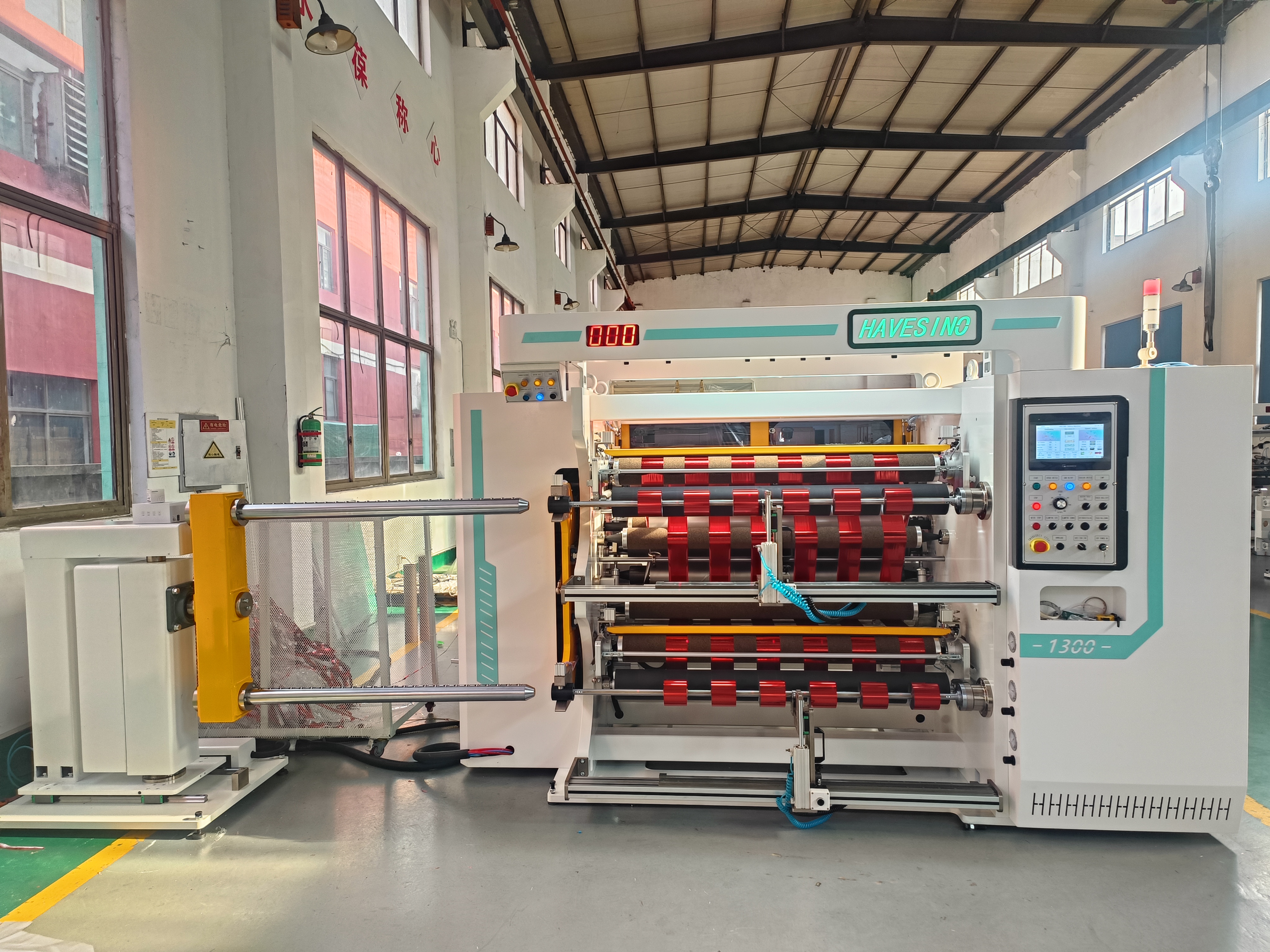
Flexible Packaging Slitter Rewinder for BOPP, PET and PE Film
For flexible packaging converters, choosing the right flexible packaging slitter rewinder is not only about cutting wider film rolls into narrower rolls. It is also about stable tension control, clean slitting edges, smooth finished rolls and reliable rewinding performance during daily production. BOPP, PET and PE films are widely used in packaging structures, but each material has different behavior during unwinding, slitting and rewinding. A practical machine configuration should match the material type, mother roll condition, finished roll size and production target.
HAVESINO Group focuses on slitting and rewinding equipment for flexible packaging, label, foil, TTR and paper roll applications. With more than 16 years of industry experience and machines serving customers in 100+ countries and regions, HAVESINO provides slitter rewinder solutions designed for stable operation, efficient rewinding and long-term production use.
What Is a Flexible Packaging Slitter Rewinder?
A flexible packaging slitter rewinder is a converting machine used to unwind a wide mother roll, slit it into narrower widths, and rewind the material into finished rolls. In flexible packaging production, it is commonly used for BOPP, PET, PE, CPP, laminated film and other web materials.
The basic process includes unwinding, web guiding, tension control, slitting, edge trimming, rewinding and finished roll unloading. Although the process sounds simple, the actual machine performance depends heavily on mechanical design, control logic, web path stability and operator-friendly adjustment.
For packaging film suppliers, a reliable film slitting machine helps improve roll appearance, reduce unstable rewinding problems and support more consistent downstream printing, laminating or pouch-making processes.
Why BOPP, PET and PE Film Need a Flexible Packaging Slitter Rewinder
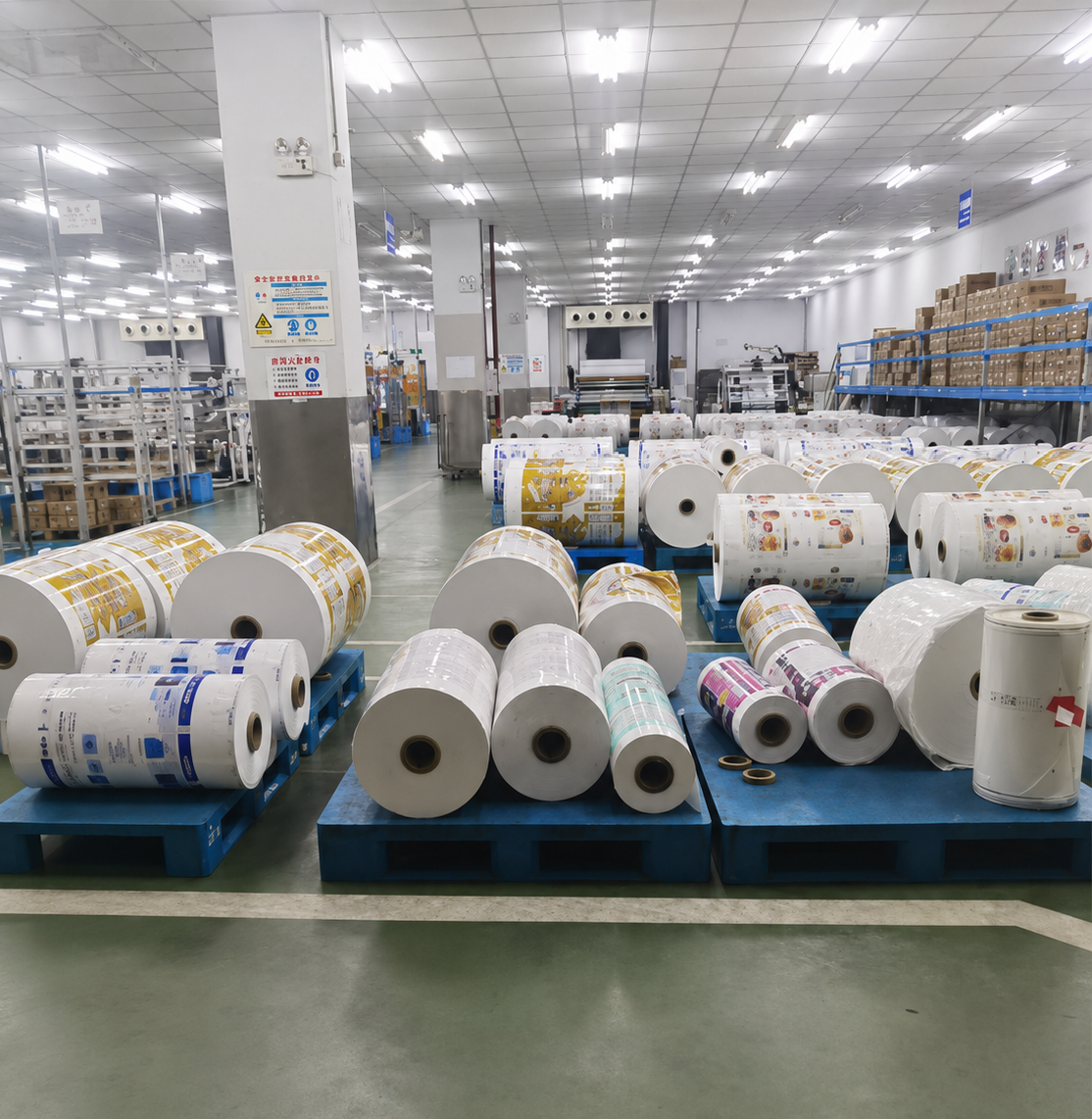
BOPP, PET and PE films are all common flexible packaging materials, but they do not behave in the same way during slitting. BOPP film often requires stable web control and clean edge quality. PET film may need more attention to tension consistency and slitting precision. PE film can be softer and more stretch-sensitive, so the machine must avoid excessive tension and poor roll formation.
A flexible packaging slitter rewinder for these materials should therefore support smooth unwinding, accurate web guiding and controlled rewinding pressure. When these areas are not handled well, converters may face telescoping rolls, wrinkles, uneven roll hardness, edge burrs, poor roll appearance or frequent machine adjustments.
The goal is not simply to run faster. The more important goal is to keep film stable across the complete web path and produce finished rolls that are suitable for the next process or direct delivery to customers.
Key Machine Sections That Affect Film Slitting Quality
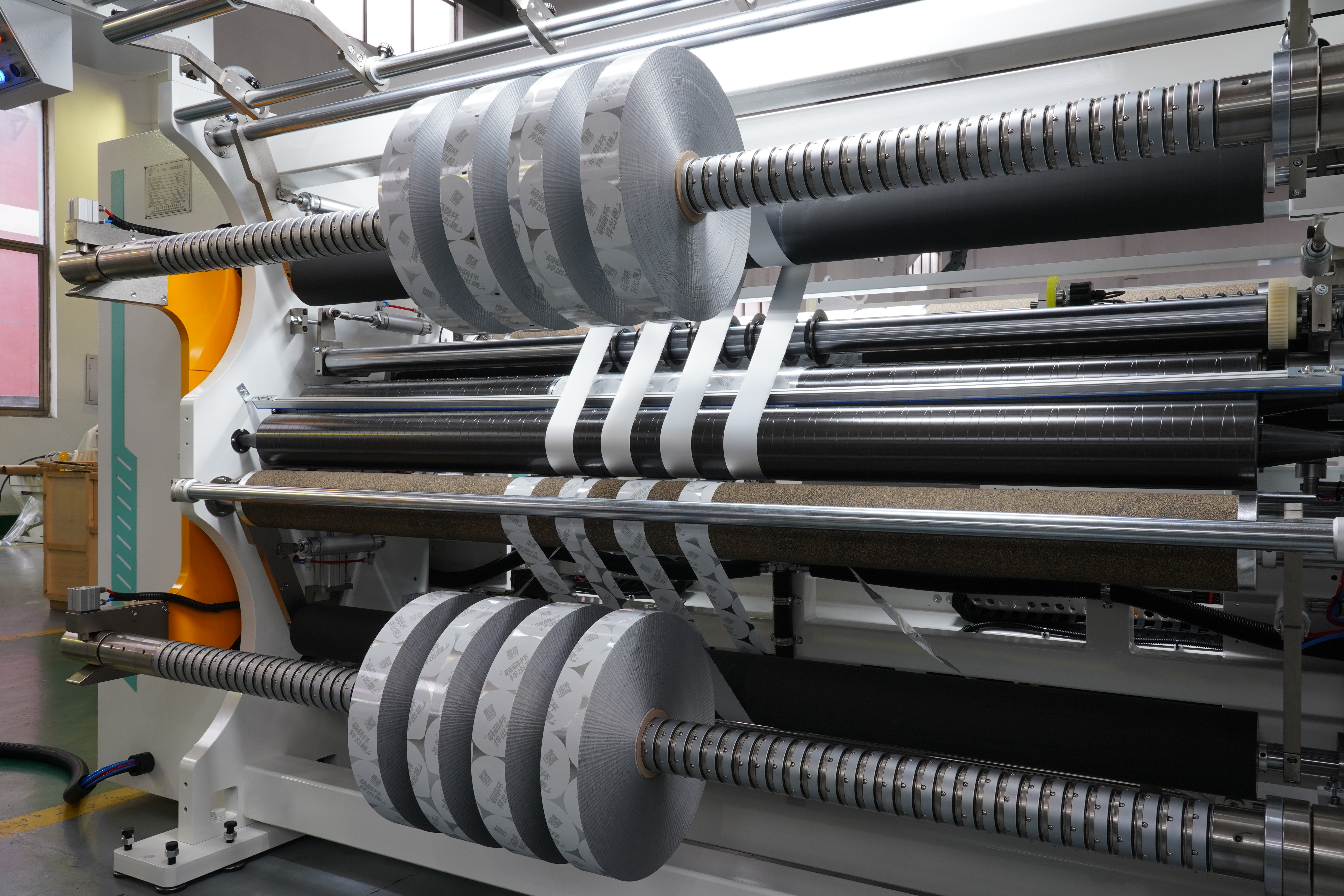
When buyers compare different film slitting machine options, several machine sections deserve close attention. These sections directly influence cutting quality, finished roll appearance and production stability.
Machine Section | Main Function | Why It Matters for BOPP, PET and PE Film |
Unwinding section | Holds and unwinds the mother roll | Supports stable feeding and reduces web fluctuation before slitting. |
Web guiding system | Keeps the film aligned | Helps avoid edge deviation and poor finished roll alignment. |
Tension control | Controls web tension during processing | Important for stretch-sensitive PE film and stable PET/BOPP rewinding. |
Slitting section | Cuts the web into required widths | Affects edge cleanliness, burr control and finished roll quality. |
Rewinding shafts | Rewinds slit rolls | Influences roll hardness, surface smoothness and roll appearance. |
Control system | Supports operation and parameter adjustment | Helps operators manage different materials and production conditions. |
How to Choose a Film Slitting Machine for Flexible Packaging
When evaluating how to choose a film slitting machine, buyers should start from the actual production application instead of only comparing machine appearance or general descriptions. The most suitable solution depends on the material structure, roll dimensions, finished roll requirements and expected operation style.
For example, a converter mainly processing BOPP and PET film may focus more on clean slitting, precise web guiding and stable rewinding. A factory processing PE film should pay extra attention to tension range, web stretching and roll hardness control. For laminated flexible packaging materials, the machine should also handle different composite structures with stable web tracking.
Before requesting a quotation, it is useful to prepare the following information: material type and structure, mother roll width and diameter, finished roll width, finished roll diameter, core size, thickness range, expected production capacity, slitting method preference and any special rewinding requirements.
Recommended HAVESINO Solution
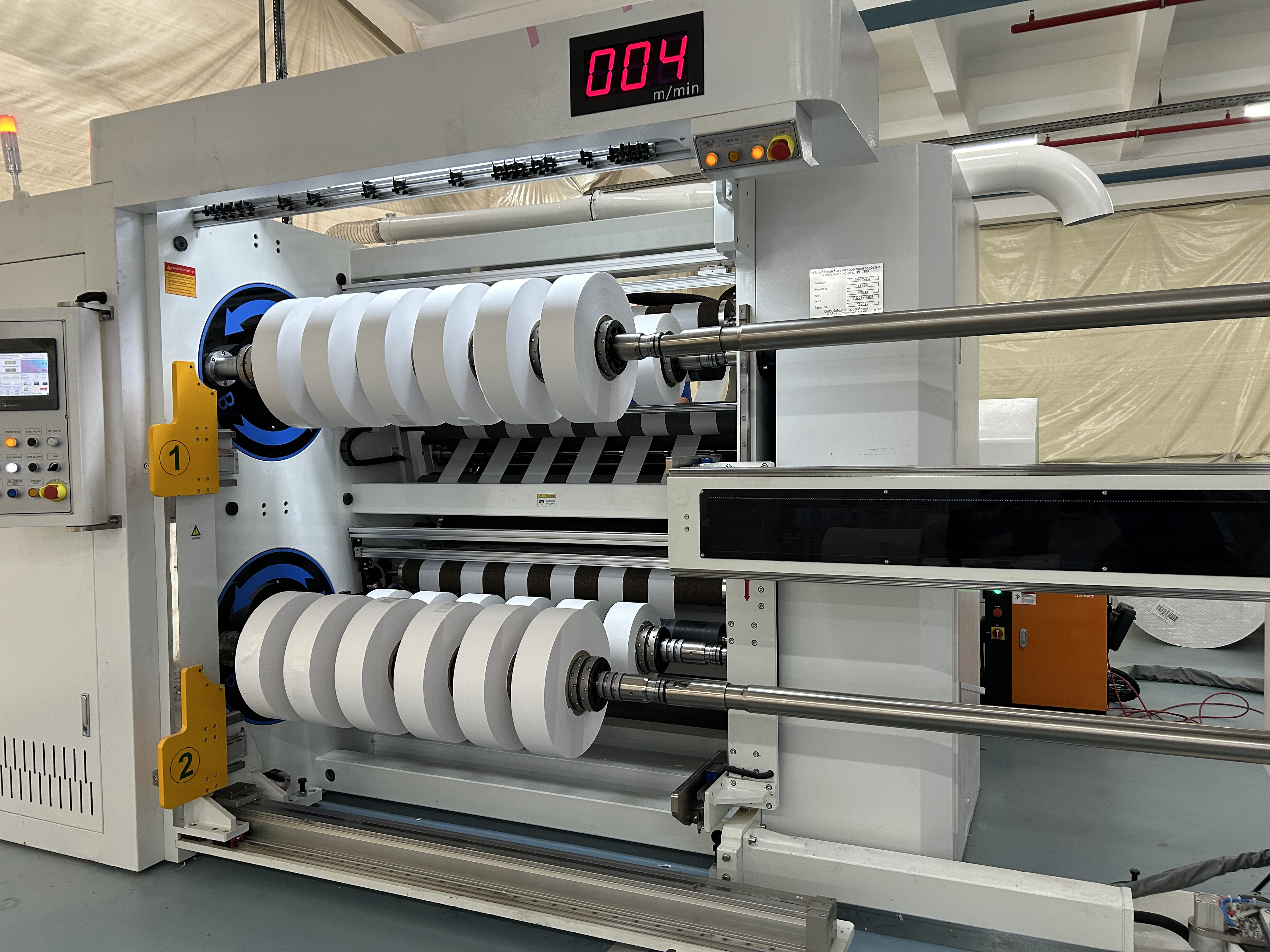
For BOPP, PET, PE and laminated flexible packaging films, HAVESINO can recommend suitable slitter rewinder configurations according to the customer's actual roll size and production needs. Models such as HN1300 PLUS, HN800 PLUS or wider web slitter rewinders can be selected depending on material type, roll width and process requirements.
HN1300 PLUS is commonly used as a flexible packaging slitter rewinder solution for film converting applications. It is suitable for customers who need stable tension control, efficient rewinding and clean finished rolls for daily production. For narrower applications or different production layouts, HN800 PLUS may also be considered. For wider mother rolls, a wider web slitter rewinder such as HN1600 can be discussed according to the actual project.
HAVESINO does not suggest choosing a machine only by a single parameter. A better approach is to review the full production condition, including material behavior, operator habits, roll handling method and future capacity plan. This helps the buyer select a practical slitter rewinder configuration instead of overpaying for unnecessary functions or choosing an underconfigured machine.
Common Problems in Flexible Packaging Film Slitting
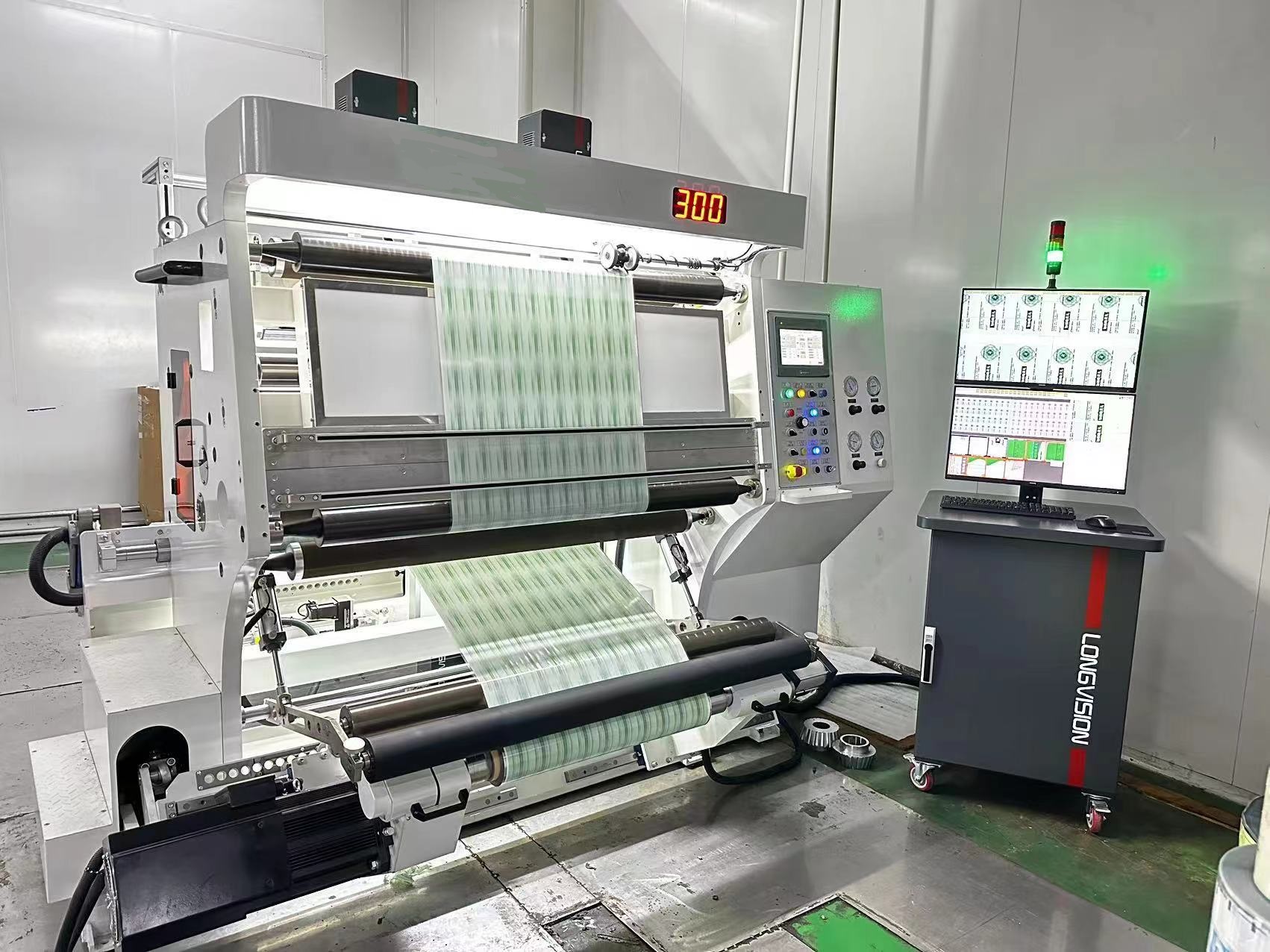
Many film slitting issues are related to tension, blade condition, web alignment or rewinding setup. A professional slitter rewinder manufacturer should help customers understand these problems and configure the machine accordingly.
Common problems include wrinkles caused by unstable tension, telescoping caused by poor rewinding control, edge defects caused by unsuitable blade setup, and uneven roll hardness caused by incorrect pressure or winding parameters. In some cases, the root cause may also come from the mother roll quality, material storage condition or process setting before slitting.
A stable machine gives operators better control, but good operation practice is still important. Regular blade inspection, suitable tension setting, correct core alignment and proper roll unloading all help maintain consistent finished roll quality.
Practical Checklist Before Buying a Slitter Rewinder
A practical purchase decision should balance technical suitability, machine reliability, supplier experience and after-sales support. Buyers can use the following checklist before confirming a flexible packaging slitter rewinder project:
- Confirm the main film types, such as BOPP, PET, PE, CPP or laminated film.
- Define mother roll width, roll diameter, core size and maximum roll weight if available.
- Confirm finished roll width, finished roll diameter and roll hardness expectation.
- Share real production problems, such as wrinkles, edge burrs, telescoping or unstable rewinding.
- Check whether the supplier has experience with similar flexible packaging materials.
- Discuss machine configuration based on actual production needs rather than only price.
- Prepare sample material for machine testing when needed.
FAQ
What materials can a flexible packaging slitter rewinder process?
It can process common flexible packaging films such as BOPP, PET, PE, CPP and laminated materials, depending on the final machine configuration and actual material properties.
Is higher speed always better for film slitting?
Not always. Higher speed is useful only when the machine can maintain stable tension, clean slitting and good finished roll quality. For some materials, stability is more important than speed alone.
How can I choose between HN1300 PLUS and HN800 PLUS?
The selection depends on material type, roll width, finished roll size and production target. HN1300 PLUS is often considered for flexible packaging film applications, while HN800 PLUS may suit narrower or different production needs.
What information should I provide before asking for a machine recommendation?
You should provide material type, thickness range, mother roll width and diameter, finished roll width, core size, target capacity and any existing production problems.
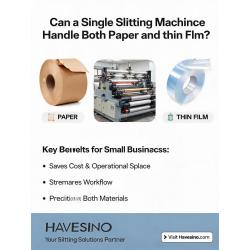
Can one machine process BOPP, PET and PE film?
In many cases, one machine can be configured to process different films, but the final suitability depends on material structure, thickness, roll size and rewinding requirements.
Conclusion
A flexible packaging slitter rewinder for BOPP, PET and PE film should deliver more than basic cutting. It should support stable tension, clean slitting, smooth rewinding and practical operation for daily production. For converters working with different packaging films, the right machine configuration can help improve roll consistency and support more reliable downstream processing.
Share your material type, roll size and production target with HAVESINO to discuss a suitable slitter rewinder configuration. Contact HAVESINO to discuss your film slitting and rewinding requirements.


Leave A Comment